Wedding Photography Wedding photography, is a specialization within the photography field that captures the moments and emotions of a special occasion. Event photographers use their skills and experience to document the event in a creative and visually appealing way. Photographing weddings requires a unique approach compared to other types of events. Here are some tips for capturing memorable moments during wedding events: Preparation: Meet with the couple beforehand to discuss their vision, preferences, and must-have shots. Create a shot list to ensure you cover all the essential moments. Equipment: Use high-quality camera gear, including a variety of lenses to capture different perspectives. Have backup equipment in case of technical issues. Scouting Locations: Familiarize yourself with the wedding venue(s) ahead of time. Identify key locations for portraits, group shots, and ceremony coverage. Lighting: Pay attention to lighting conditions throughout the day, especially ...
Wedding Photography
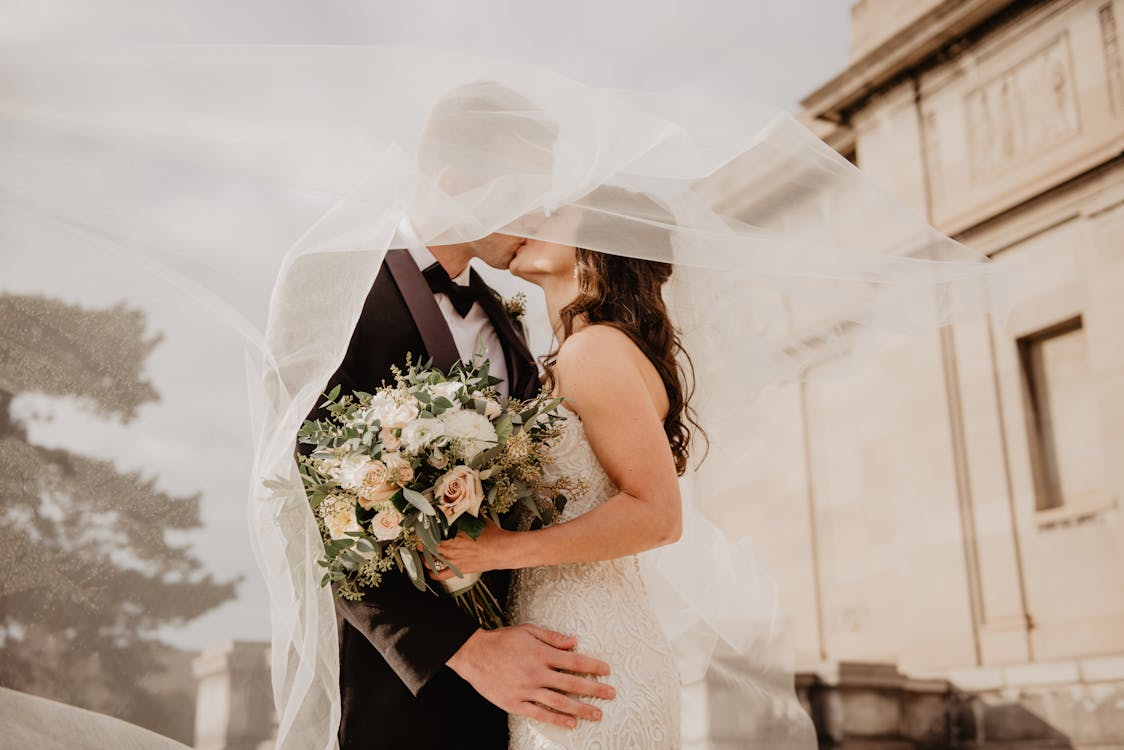
Wedding photography, is a specialization within the photography field that captures the moments and emotions of a special occasion. Event photographers use their skills and experience to document the event in a creative and visually appealing way. Photographing weddings requires a unique approach compared to other types of events. Here are some tips for capturing memorable moments during wedding events:
Preparation: Meet with the couple beforehand to discuss their vision, preferences, and must-have shots. Create a shot list to ensure you cover all the essential moments.
Equipment: Use high-quality camera gear, including a variety of lenses to capture different perspectives. Have backup equipment in case of technical issues.
Scouting Locations: Familiarize yourself with the wedding venue(s) ahead of time. Identify key locations for portraits, group shots, and ceremony coverage.
Lighting: Pay attention to lighting conditions throughout the day, especially for outdoor ceremonies and receptions. Be prepared to adjust settings or use additional lighting equipment as needed.
Candid Moments: Capture candid moments that showcase the emotions and interactions between the couple, their families, and guests. These shots often convey the genuine atmosphere of the wedding day.
Formal Portraits: Allocate time for formal portraits of the couple, wedding party, and families. Guide them with posing suggestions while also allowing for natural and relaxed expressions.
Details: Photograph the small details that make the wedding unique, such as decorations, flowers, rings, and attire. These shots help tell the story of the day and add depth to the photo collection.
Timing: Anticipate key moments such as the ceremony, first look, exchange of vows and rings, first dance, and cake cutting. Position yourself strategically to capture these moments from various angles.
Composition: Pay attention to composition and framing to create visually appealing images. Experiment with different angles, perspectives, and focal lengths to add interest to your photos.
Post-Processing: Edit your photos to enhance their quality and ensure consistency in style. Adjust exposure, color balance, and crop as needed while maintaining a natural look.
Communication: Maintain open communication with the couple throughout the day. Be flexible and adaptable to any changes or unexpected situations that may arise.
Delivery: Deliver the final photos promptly and in the format agreed upon with the couple. Provide a mix of edited images for printing and web-optimized versions for sharing online.
Comments
Post a Comment